2025 GCMU Annual Conference Held in Hong Kong, CityU Macau Rector Jun Liu Chairs and Encourages Collaborative Innovation Among Member Universities
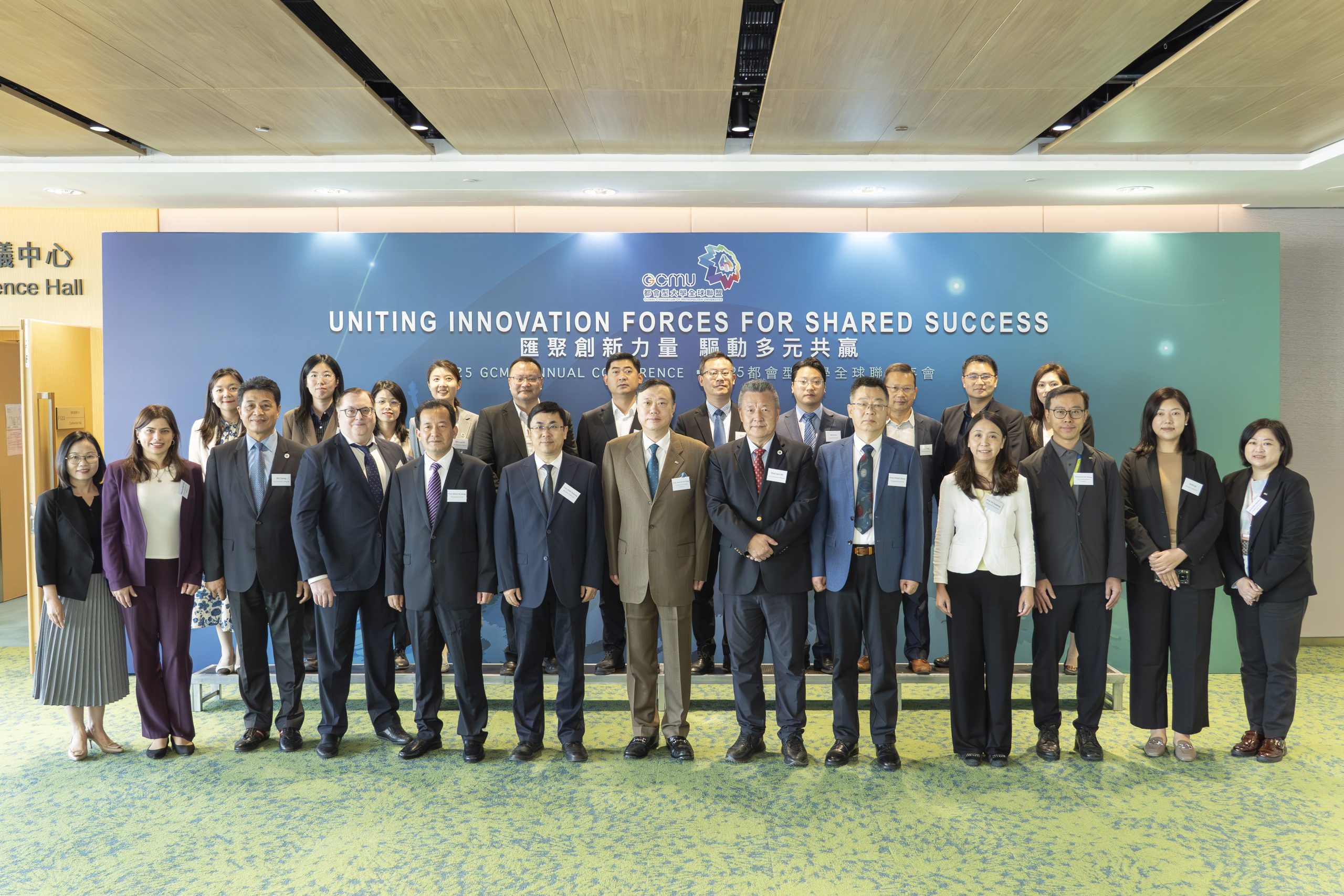
The 2025 Global Consortium of Metropolitan Universities (GCMU) Annual Conference was recently held at Hong Kong Metropolitan University. Jun Liu, Chair of the GCMU and Rector of City University of Macau, attended the conference and chaired both the GCMU General Council Meeting and the Presidents’ Forum. Under the theme “Uniting Innovation Forces for Shared Success,” the Annual Conference focused on the opportunities and challenges facing university consortia, providing an effective platform for member institutions to keep pace with the times and deepen exchanges and cooperation. The conference brought together representatives from higher education institutions in Mainland China, Hong Kong, Macau, and Russia, including university leaders and heads of international affairs from GCMU member universities. The conference was a resounding success.
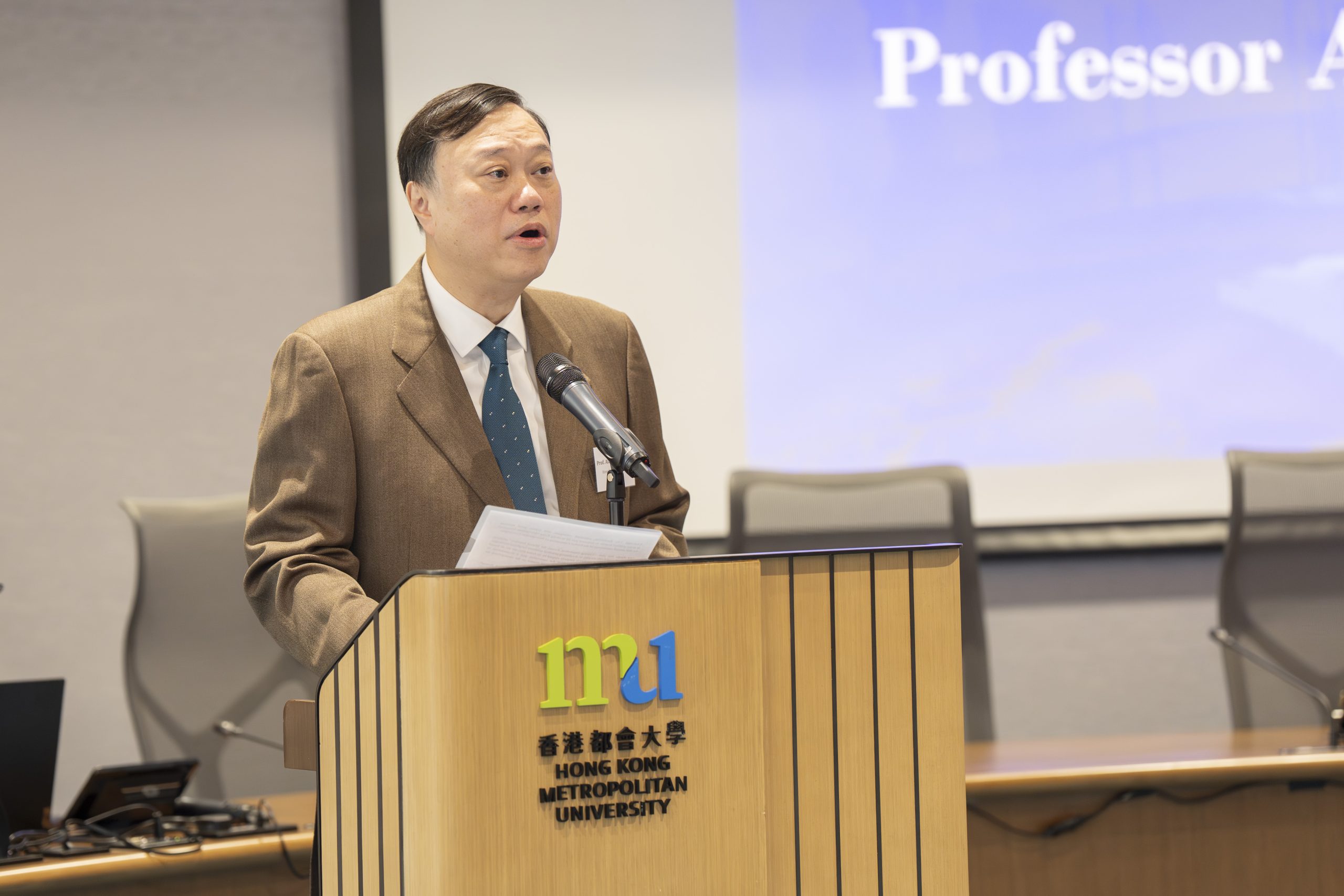
At the opening ceremony, Au Kai-ming, Vice President of Hong Kong Metropolitan University, delivered a welcoming speech. He noted that the world currently faces complex challenges such as climate change and social equity, which must be addressed through interdisciplinary collaboration and global university partnerships. He emphasized that universities should focus on innovation-driven approaches and commitment to cooperation as core drivers to advance the deep integration of higher education and urban development. He expressed hope that the GCMU Annual Conference would further foster new collaborative relationships and institutional mechanisms, while also inspiring fresh perspectives.
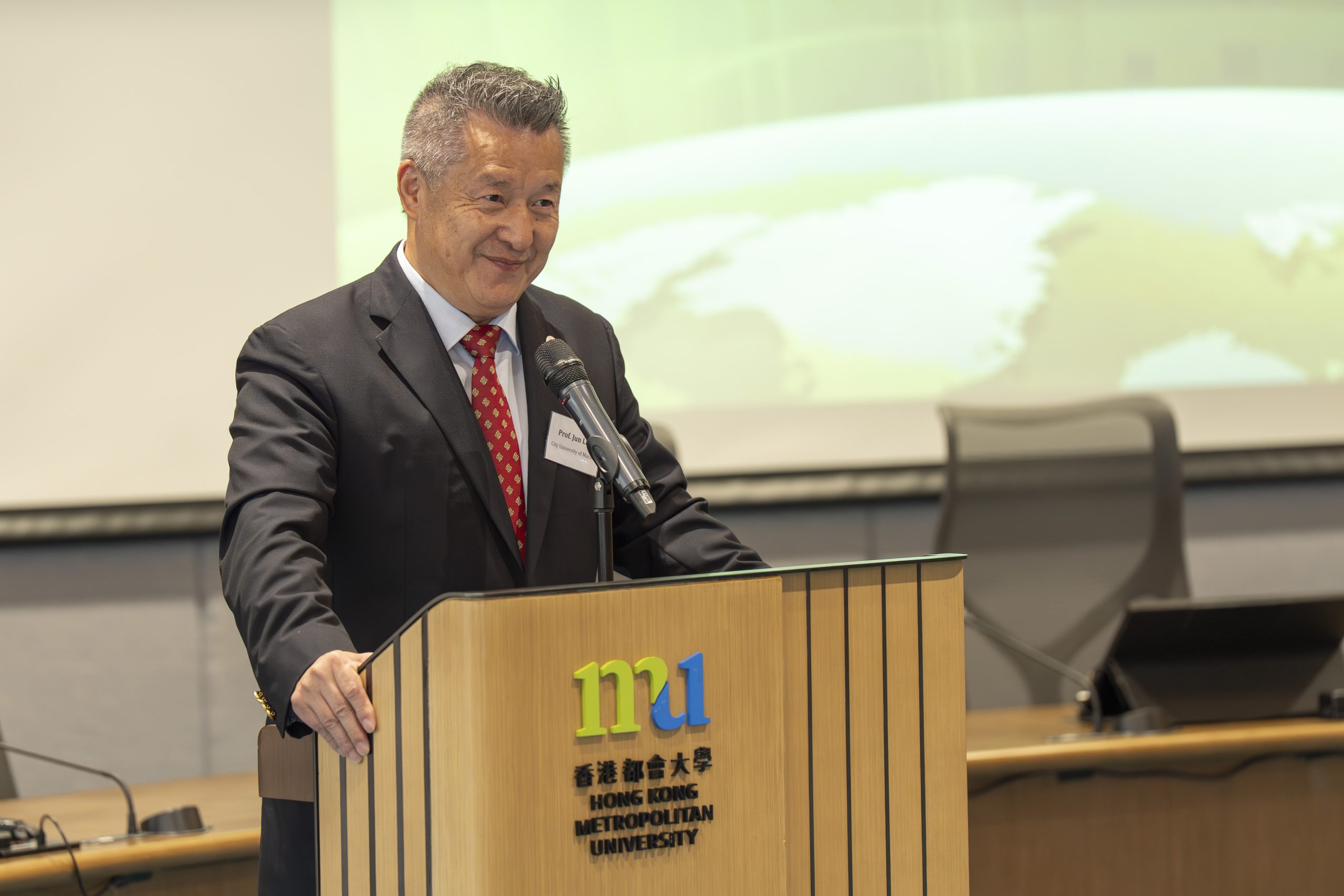
In his address, Rector Jun Liu reaffirmed the GCMU’s founding mission. He stated that the Consortium is committed to building a collaborative network on innovation, application, and internationalisation, providing a platform for member institutions to share and collaborate in the fields of education, science and technology, and culture. He particularly stressed and called on all members to closely align with the Consortium’s defining features of “global” and “metropolitan” reach, as well as the United Nations Sustainable Development Goals (SDGs). He encouraged each member to design and implement high-quality international and regional projects that benefit talent cultivation, academic development, and people-to-people and cultural exchanges by leveraging their own development goals and disciplinary strengths. Rector Liu highly commended member universities for their active sharing of resources and effective implementation of initiatives such as program alignment, credit recognition, student exchange, research collaboration, and various cultural exchange activities since the Consortium’s inception. He expressed strong confidence in the high-quality development and future growth of the GCMU.
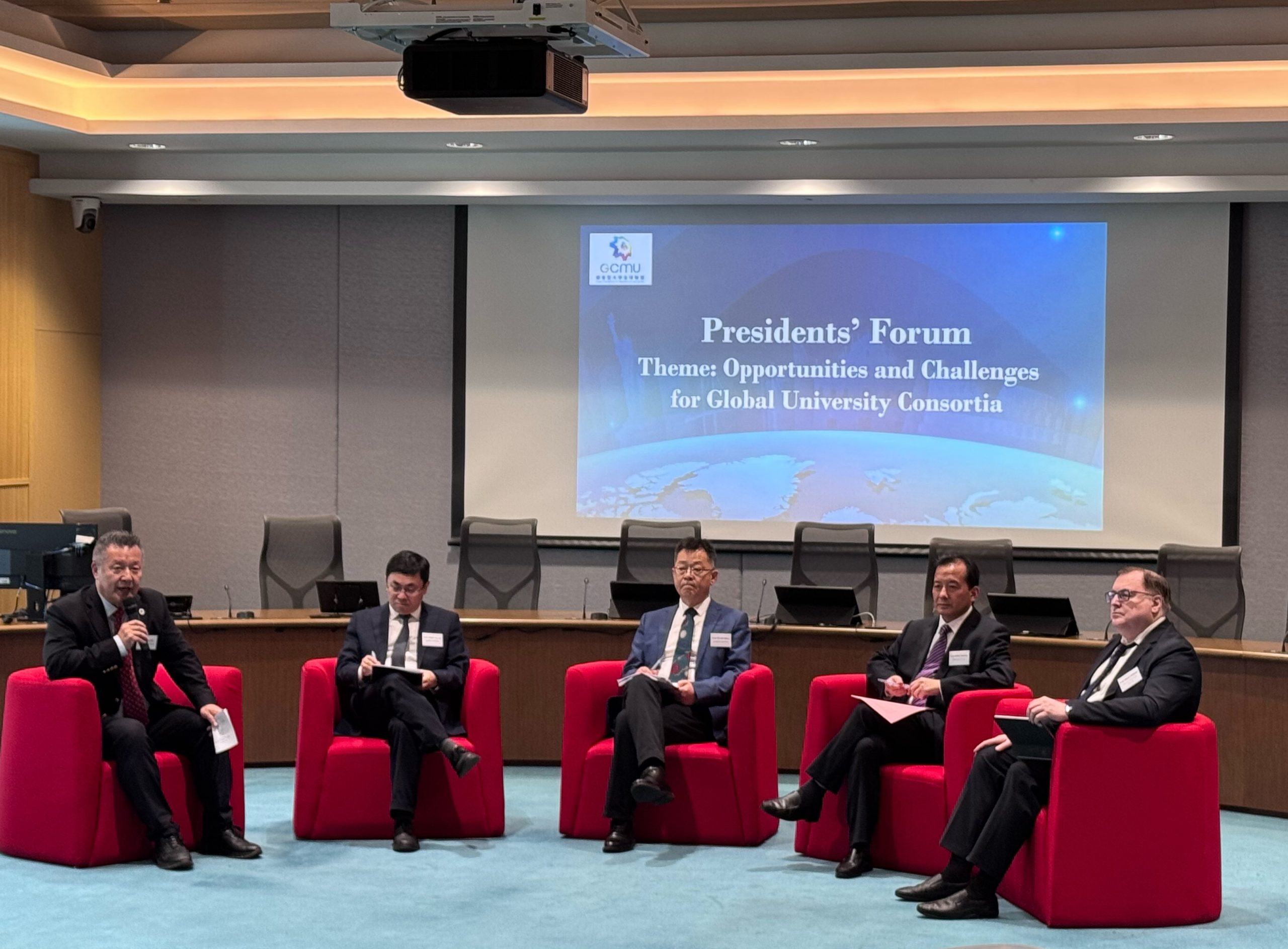
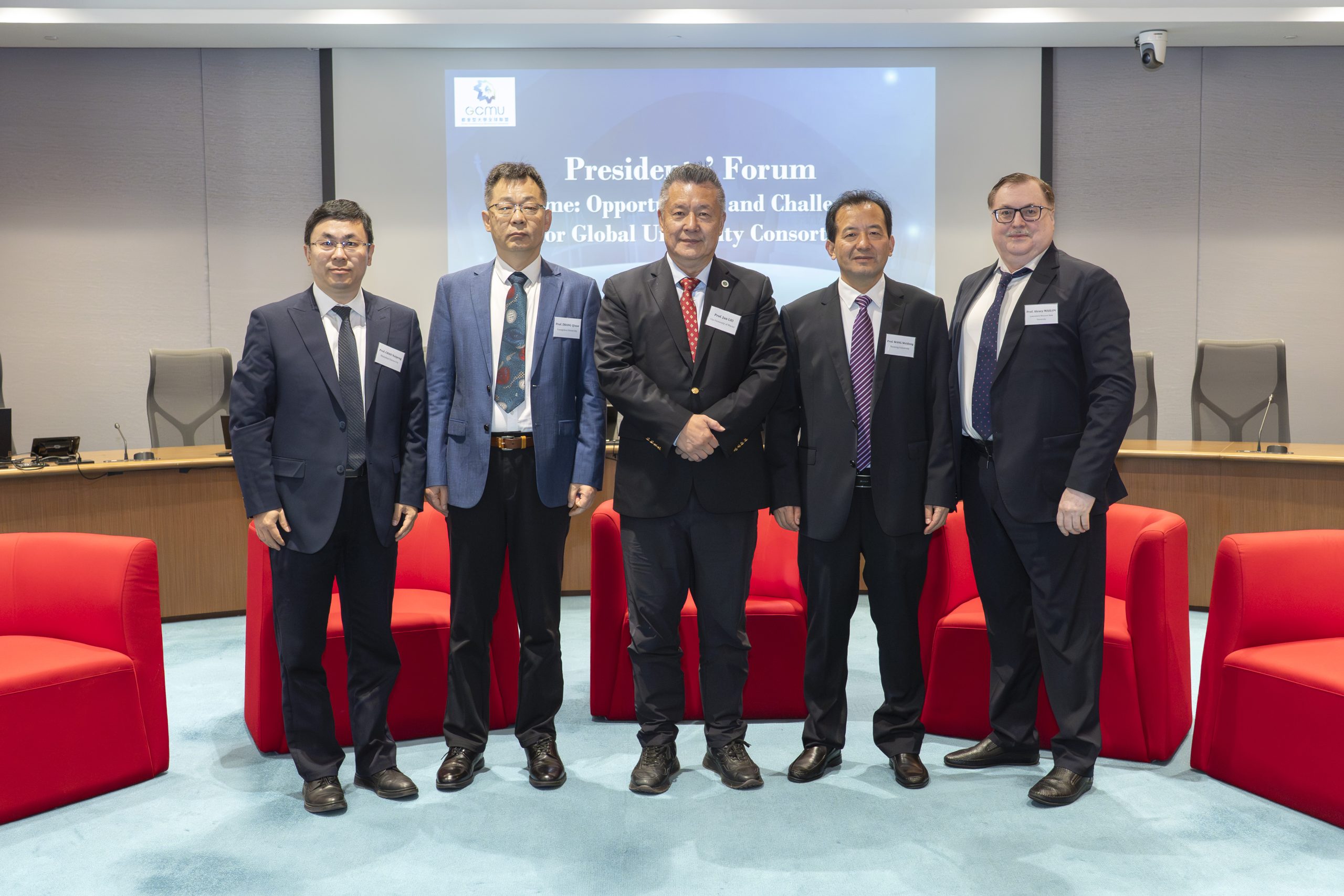 The Annual Conference featured a Presidents’ Forum on the theme “Opportunities and Challenges for Global University Consortia,” chaired by Rector Jun Liu. At the outset of the forum, in light of the profound transformations facing global higher education, Rector Liu provided an in-depth analysis of how GCMU, as important platforms for promoting international cooperation, can pursue greater synergistic innovation while maintaining their respective distinctive characteristics. Speakers included Chao Naipeng, Vice President of Shenzhen University; Zhang Qixue, Vice President of Guangzhou University; Wang Weidong, Vice President of Nantong University; and Alexey Maslov, Director of the Institute of Asian and African Studies of Lomonosov Moscow State University. They engaged in a thorough discussion on the meaning and pathways of internationalization in higher education, offering a comprehensive analysis of the direction for the development of international university alliances. Using their own institutions’ experiences with various alliances as cases, they identified the advantages of the Consortium in terms of platforms, innovation in teaching and learning, resource sharing, enhancement of universities’ international standing, and joint capacity building. They also discussed differentiated strategies for alliance participation and openly addressed the challenges involved. The forum concluded that future efforts should further leverage the role of the Consortium by promoting collaborative innovation and resource integration, advancing credit recognition, joint training programs, and innovative cooperation models. In addition, members should share information and experiences in areas such as international cooperation platforms, university rankings, and international disciplinary and program accreditation, thereby actively participating in the global governance of higher education.
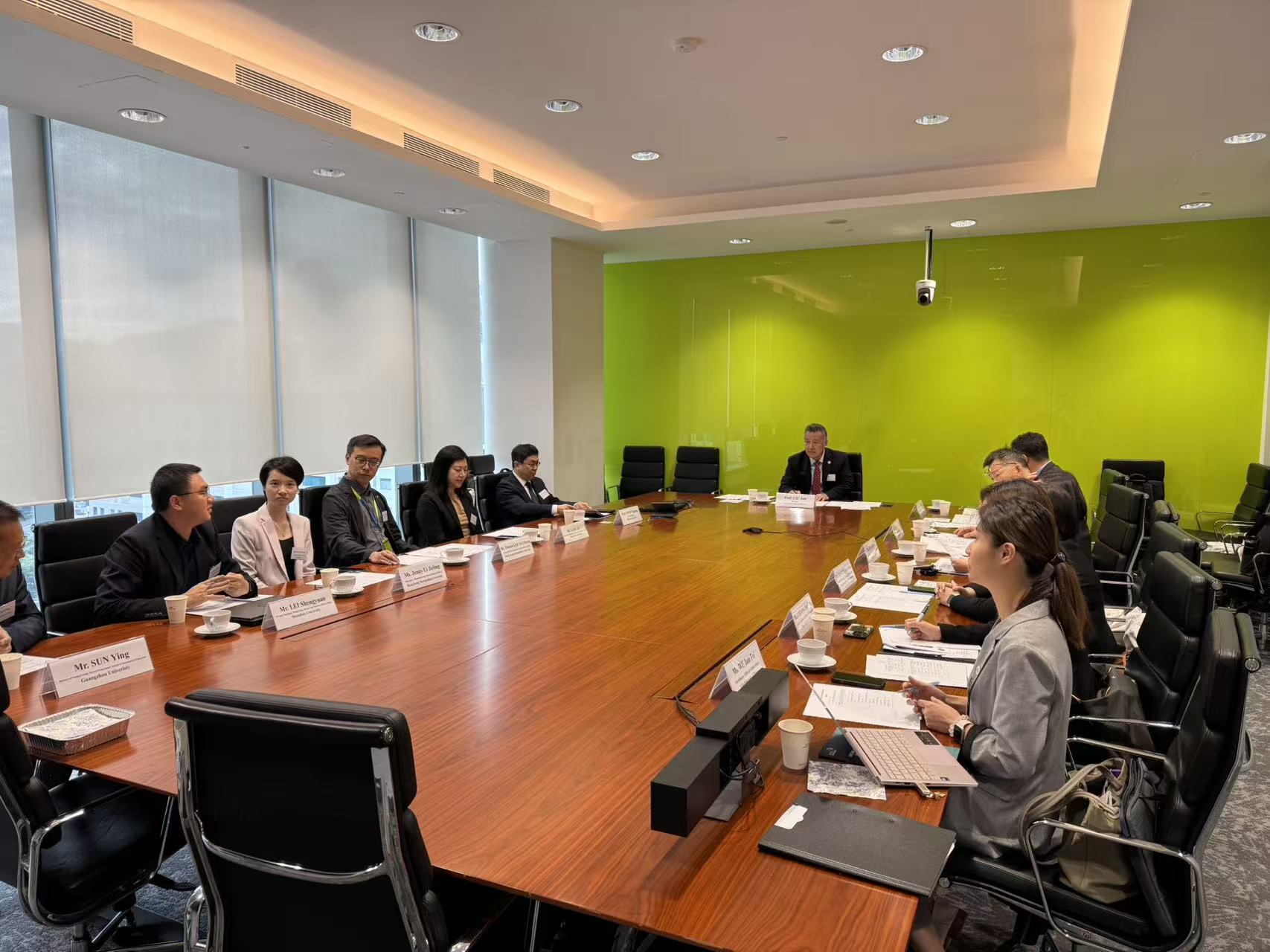
Before the opening of the Annual Conference, Rector Jun Liu chaired the GCMU General Council Meeting. He reported on the implementation of the previous year’s plans, presented a summary of work accomplished, and outlined the work plan for the coming year, while seeking comments and suggestions from the Standing Council members. The meeting approved the GCMU work report and work plan. It adopted a resolution to admit the Institute of Asian and African Studies of Lomonosov Moscow State University as a member of GCMU. The meeting also decided that the 2026 GCMU Annual Conference will be held in late October 2026 at the City University of Macau.
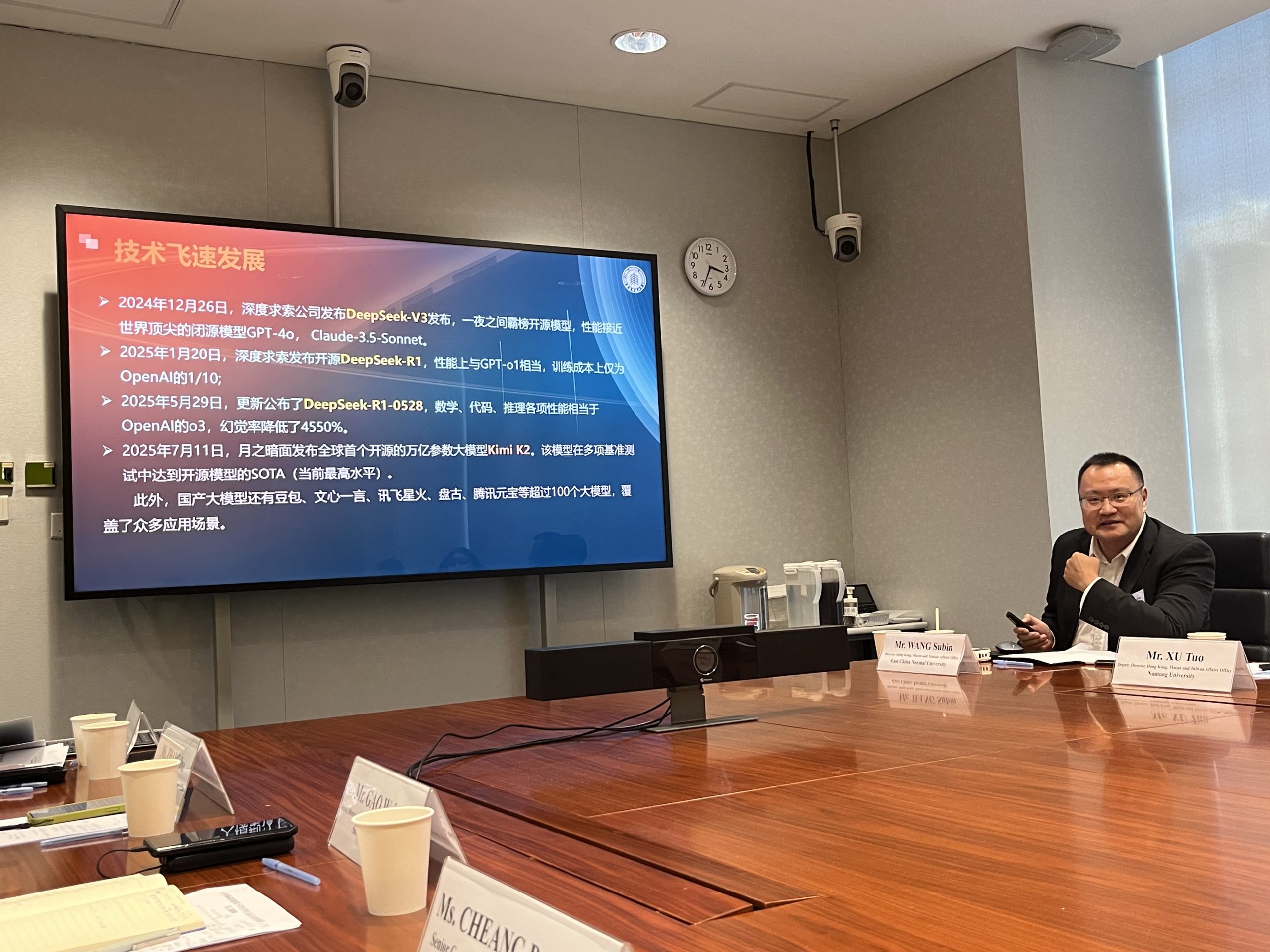
In the afternoon of the same day, several panel discussions were held. Participants engaged in in-depth discussions on topics such as “Innovative Collaboration and Management in Faculty and Student Exchange under Internationalisation,” “Credit Recognition and Student Development in University Consortia and Partnerships,” and “Transforming Higher Education in the Age of AI: New Paradigms for Global Collaboration.” Representatives shared best practices from their respective member universities in these areas and put forward constructive suggestions for future coordination and interaction among members.